Gravity-fed water
The main supply network is being redesigned to use the natural slope of the land, sharply reducing pumping energy.
Our approach
Modern agronomy, a real shift to green energy and an inclusive outgrower model, designed around TDIP's documented constraints and guided by KALRO research. Rice is the anchor crop, rotated with soybeans, castor oil and Kalahari melon to keep the soil productive across a 30-year term.
Agronomy
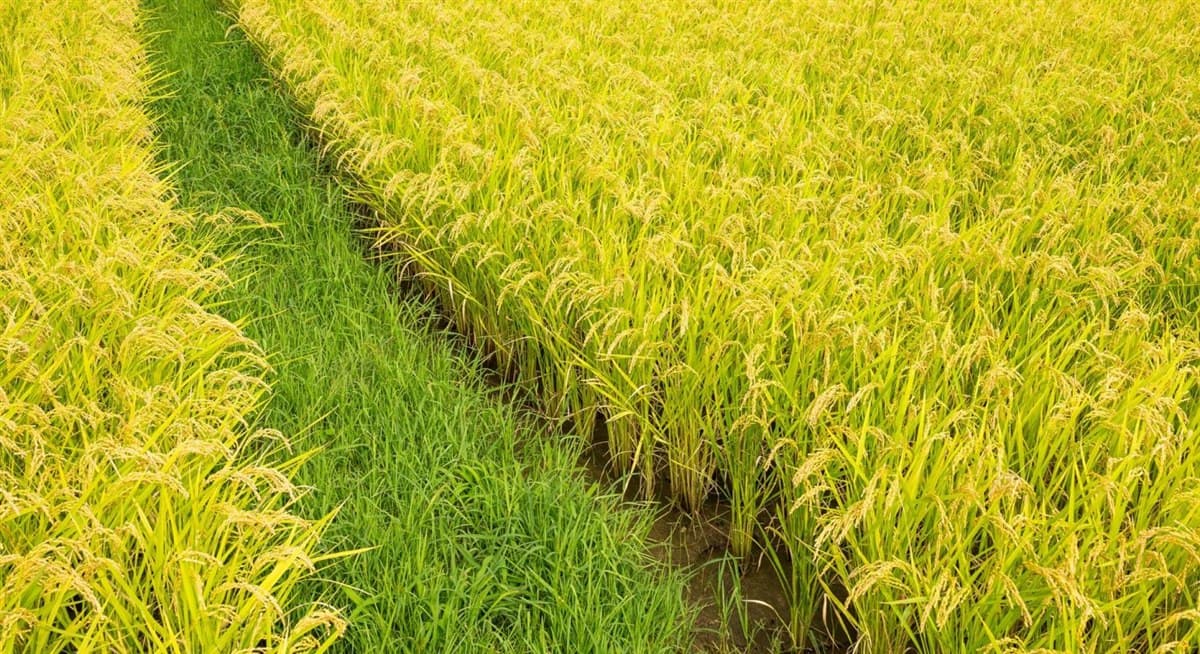
The project has standardised on Komboka, a high-yielding, semi-dwarf rice variety developed and certified by KALRO.
Yield potential: 6 to 7 tonnes per hectare under good water and nutrient management, against 2.5–3.0 tonnes for traditional varieties.
Grain quality: long, aromatic, non-sticky grains that suit urban Kenyan tastes and compete well with imported basmati grades.
Resilience: a 110–120 day growth cycle, stems strong enough to resist lodging in heavy rain, and moderate resistance to Rice Blast and Bacterial Leaf Blight.
Crop diversification
Continuous flooding year after year depletes soils and invites pests. We rotate rice with other crops on the same irrigated land, which restores nutrients, breaks pest cycles and spreads revenue risk across a longer season.
Over a 30-year lease, that rotation is what keeps the 6 to 7 tonne per hectare rice yield achievable. A monoculture would spend the term declining.
Energy & infrastructure
The main supply network is being redesigned to use the natural slope of the land, sharply reducing pumping energy.
Solar PV arrays and wind turbines, backed by industrial battery storage, supply continuous power to drainage pumps, processing mills and staff housing.
Working with YTO and XCMG, we are introducing electric tractors, combine harvesters and haulage trucks, with a target of cutting diesel costs by up to 60%.
Outgrower model
We are looking for partners in mechanisation, energy, processing, storage and digital systems, alongside YTO, XCMG and KALRO.